

 September 07, 2024
  644
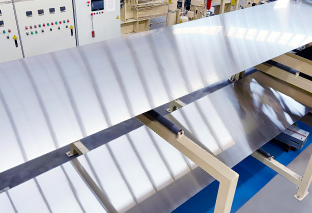
644 In the rapidly developing wood-based panel industry, steel belts play a crucial role as an indispensable auxiliary material. Their professionalism, durability, and precision directly affect the final quality and performance of wood-based panel products.
Fundamental Role of Steel Belts in Wood-Based Panel Production
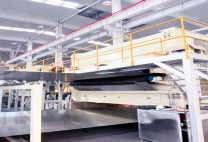
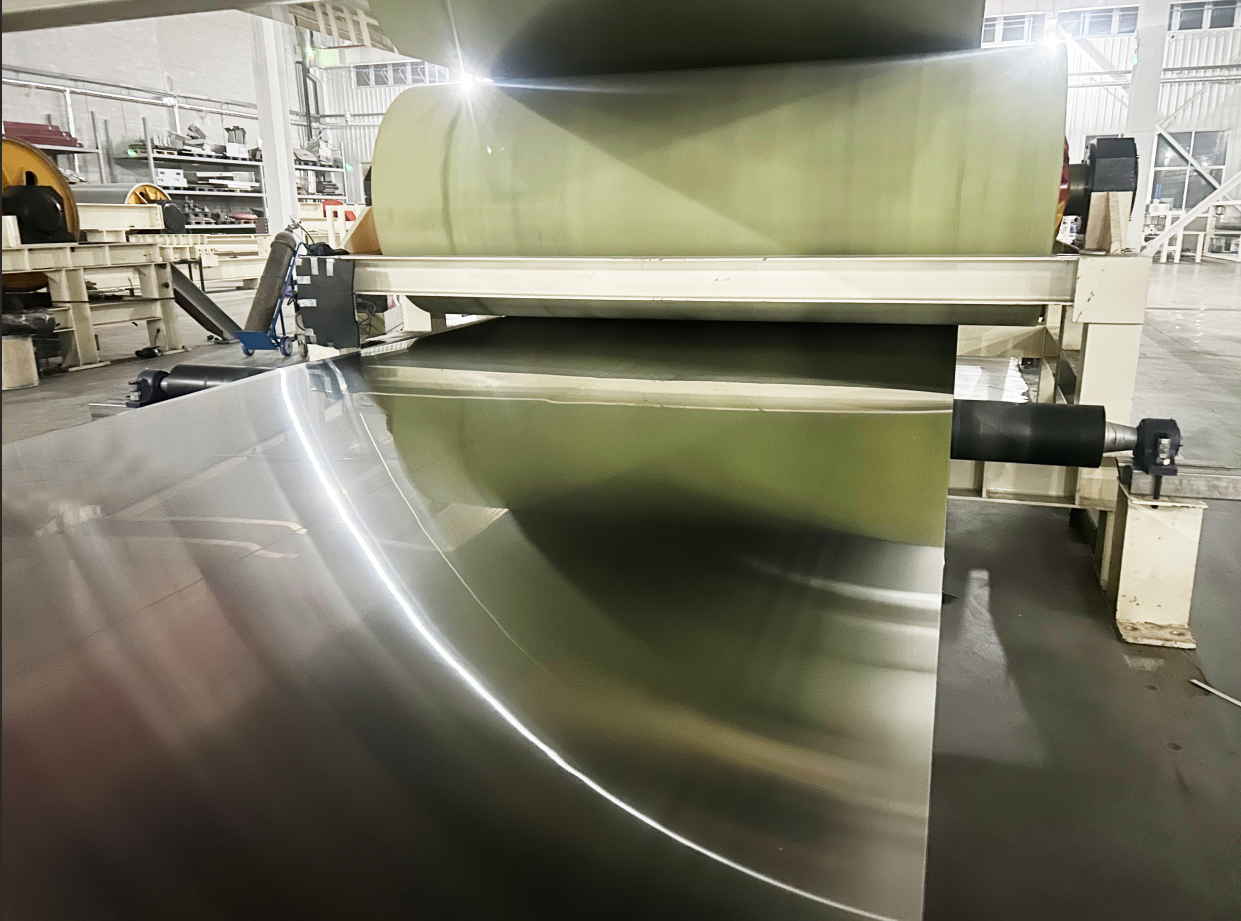
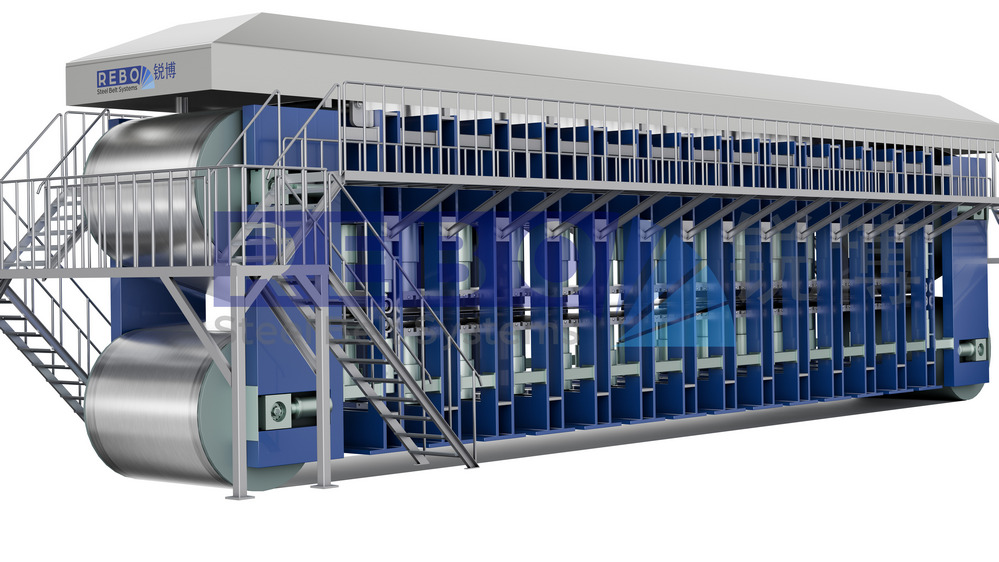
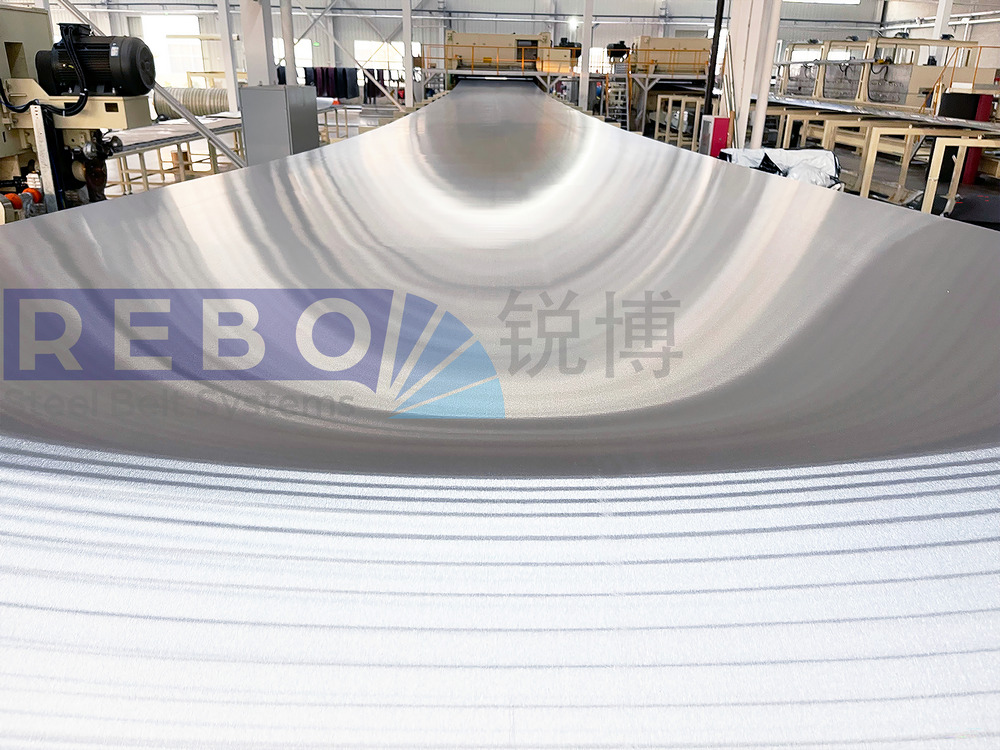
Wood-based panels, such as particleboard, medium-density fiberboard (MDF), and high-density fiberboard, are produced by compressing wood chips, fibers, or other plant-based fibrous materials under high temperature and pressure. In this process, steel belts act as pressing tools, not only transmitting pressure but also ensuring uniform heat distribution to the panels, guaranteeing that the density, flatness, and glossiness of the panels meet standard requirements.
Material and Process Requirements for Steel Belts
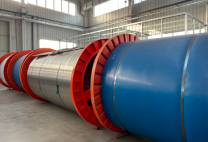
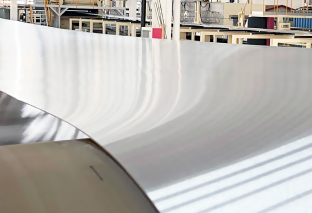
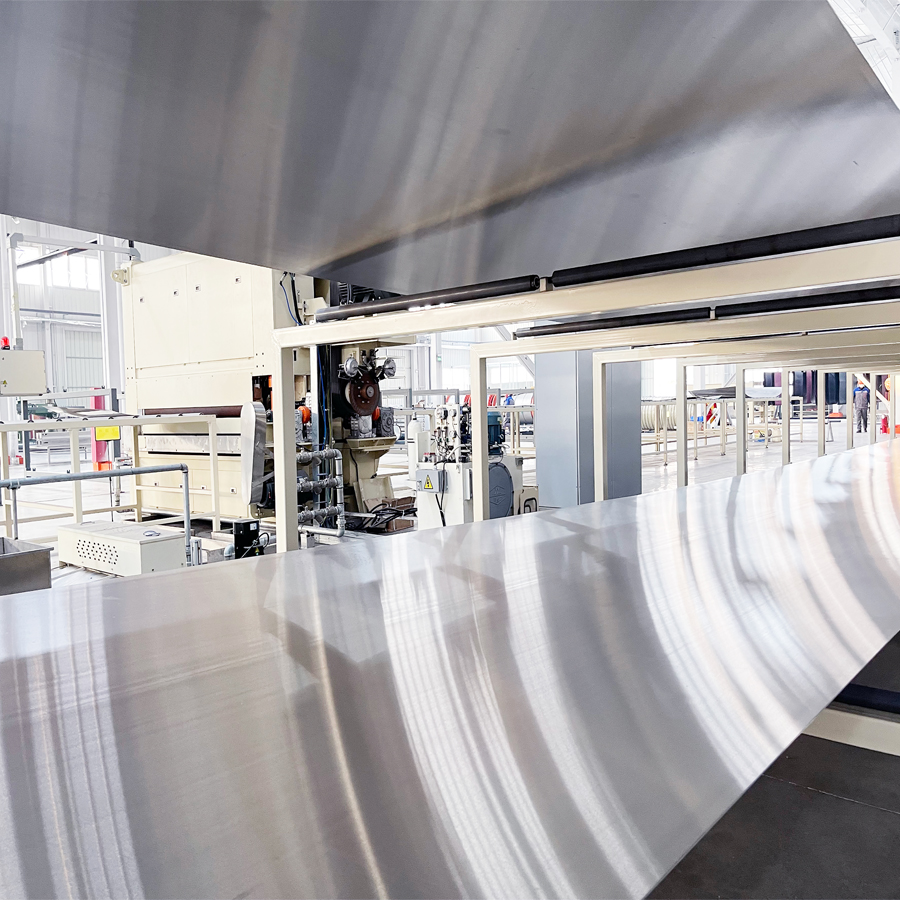
The wood-based panel industry has extremely high demands for steel belts. Common steel belts include high-strength martensitic stainless steel belts, seamless steel belts, and chromium steel belts. These belts require multiple processing steps, such as aging heat treatment, leveling, seamless welding, and surface treatment, to ensure optimal mechanical properties, wear resistance, and fatigue strength. The surface of the steel belts must be smooth and flawless to avoid scratches or burrs during the pressing process, which could affect the surface quality of the wood-based panels.
Specific Functions of Steel Belts in the Pressing Process
Pressure transmission: As pressing tools, steel belts can uniformly transmit pressure to the wood-based panel blanks, ensuring even force distribution during pressing and avoiding unevenness.
Heat transfer: During the pressing process, steel belts also transfer heat from the hot press to the panels, helping to evaporate internal moisture and improve the density and strength of the panels. Simultaneously, uniform temperature distribution helps reduce internal voids and cracks in the panels.
Improving surface quality: The smooth surface of steel belts can enhance the surface flatness and glossiness of wood-based panels, making the final product more aesthetically pleasing.
Maintenance and Replacement of Steel Belts
Over time, steel belts may develop issues such as wear, scratches, or fatigue cracks. These defects not only affect the quality of wood-based panels but may also shorten the service life of the steel belts. Therefore, regular inspection and maintenance of steel belts are essential. Minor damages can be repaired through processes such as patching, shot blasting, or sanding; for severely damaged steel belts, timely replacement with new ones is necessary to ensure normal operation of the production line.
Selection and Importance of Steel Belt Suppliers
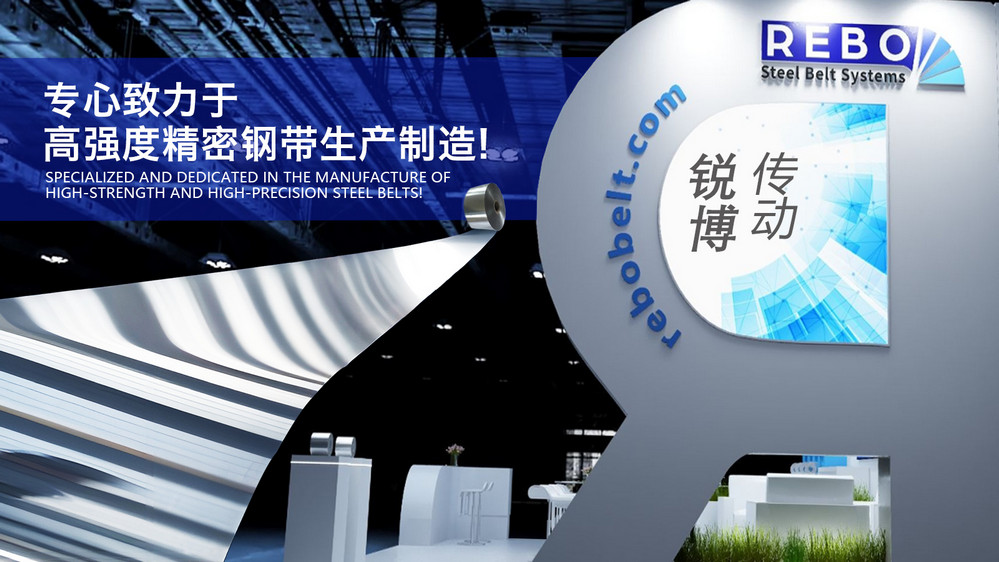
In the wood-based panel industry, choosing high-quality steel belt suppliers is crucial. High-quality steel belts not only possess excellent mechanical properties and surface quality but also provide comprehensive after-sales service and technical support. Ruibo Transmission System Co., Ltd., as a leading domestic supplier of high-strength steel belts, is committed to providing high-quality steel belt products and services to wood-based panel enterprises, leveraging advanced processing technology and high-quality raw materials.
Innovation and Development Trends in Steel Belt Technology
With technological advancements and evolving demands in the wood-based panel industry, steel belt technology is also continuously innovating and developing. The following are some current innovation points and future development trends in steel belt technology:
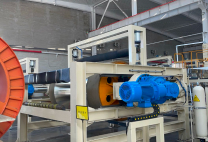
High-precision processing technology: Modern steel belt processing technology has achieved high-precision, high-efficiency automated production. Through advanced CNC machine tools and precision detection equipment, the dimensional accuracy and surface quality of steel belts can be ensured to reach extremely high levels. This high-precision processing technology not only improves the production efficiency of wood-based panels but also significantly reduces waste rates and production costs.
Application of new materials: To meet the demand for higher-performance steel belts in the wood-based panel industry, researchers are continuously exploring new material applications. For example, using high-strength, high-wear-resistant alloy steel materials can significantly improve the compressive strength and service life of steel belts. Meanwhile, some coating materials with special functions are also applied to the surface of steel belts to further enhance their wear resistance, corrosion resistance, and lubricity.
Intelligence and automation: With the continuous development of smart manufacturing technology, the level of intelligence and automation in the production and use of steel belts is constantly improving. By introducing advanced sensors, control systems, and actuators, real-time monitoring and control of the steel belt production and usage process can be achieved, ensuring stable and reliable performance and quality of the steel belts. Additionally, intelligent technology can help wood-based panel enterprises optimize and upgrade their production processes, improving production efficiency and product quality.
Environmental protection and sustainability: Against the backdrop of increasing global environmental awareness, environmental and sustainability issues in the production and use of steel belts have received more attention. To reduce environmental impact, researchers are developing more environmentally friendly steel belt production technologies and materials. For example, adopting low-energy consumption, low-emission production processes, and using recyclable steel as raw materials. These measures not only help reduce production costs but also minimize environmental pollution and damage.
Steel belts hold a pivotal position and role in the wood-based panel industry. Their professionalism, durability, and precision are not only related to the quality and performance of wood-based panel products but also directly affect the production efficiency and economic benefits of enterprises. Therefore, wood-based panel enterprises must attach great importance to the selection, use, and maintenance of steel belts, continuously explore the application of new technologies and materials, and improve the intelligence and automation level of the production process. At the same time, it is necessary to closely monitor industry trends and technological development directions, actively respond to challenges and opportunities, and promote the continuous development and progress of the industry.
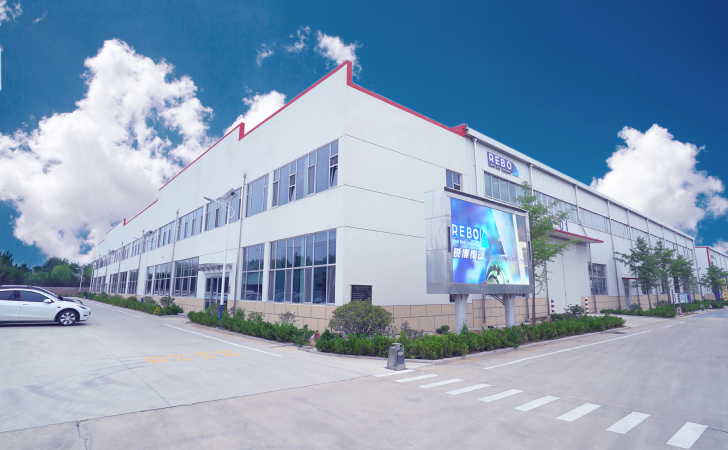

Dedicated to high strength precision steel belt manufacturing, empowering various industries that use steel belts.
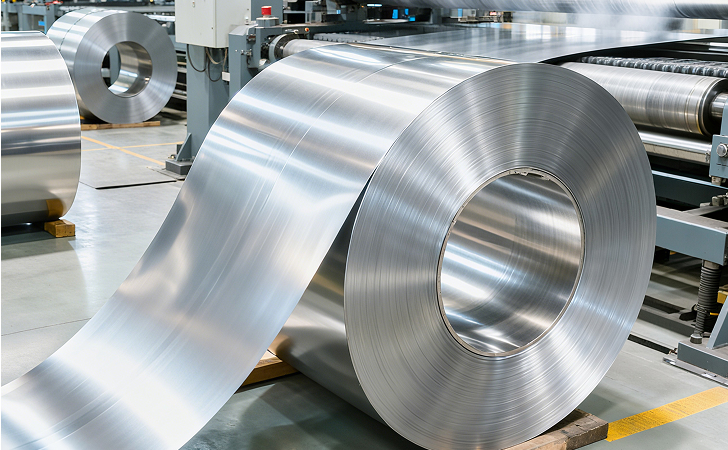
Our extensive range of custom steel belt products can enhance the efficiency of your production process.

Rebo offers you professional, prompt, and efficient after-sales service